
Last month, I blogged about the idea of active acceptance and how difficult it is to accept things when we feel like they are wrong, unjust, painful, or even simply uncomfortable. The voice in our head that says “it shouldn’t be this way!” is often very loud, and it’s not necessarily incorrect. But whether or not something should be a certain way, it often simply is what it is. Awful things happen, we have to deal with them, and it’s harder to deal with them in a grounded way when we’re stuck on the idea that they shouldn’t be that way in the first place. Active acceptance is the purposeful decision to stop fighting about the should/shouldn’t of it all. Once we’ve accepted that something is happening whether or not we like it, we can get on with the next steps of active acceptance.
 Today I’d like to share some suggestions for next steps of active acceptance. These are the steps in which we turn inward to tend to ourselves and our own needs. What is being experienced personally in the midst of tumult? How can we tend to ourselves in a way that leaves us grounded and ready to act with understanding and intention?
Tara Brach has a wonderful system for this, which she calls RAIN. I find it to be a simple, accessible way to pause, look inward, and tend to ourselves in a way that is thorough and supportive. There are four steps, and they’re all in the name.
R stands for ‘recognize.’ It’s important to recognize the feelings of resistance (“it shouldn’t be this way!”) before trying to move forward. At that point we can say, “ok, I don’t want things to be the way they are. What’s behind that resistance?” It would then be very easy to rant away about how wrong things are and all the reasons we know them to be wrong, but that path takes us further outside of ourselves. When exploring our emotions, it’s important to dig deeper. Name the actual emotions you personally are feeling! Rage? Fear? Dismay? Yes to all of it. There it is.
A stand for ‘allow.’ If fear is the emotion you’ve named, let it be there. Allow it. Don’t push it away or search for a solution. You are not naming your emotion to dispel it, you are naming it to allow it and to tend to it. This is important: an emotion isn’t wrong. It is just an emotion, and it’s there with information for us. This is a hard part for many, but it’s critical in the next steps of active acceptance: don’t treat your emotions as problems. Allow them to be there!
I stands for ‘investigate.’ This is when you draw closer to the emotion you’ve identified. What is present with this emotion? Is it a physical sensation? Is there a story it’s trying to tell you? What information does this emotion bring that will let you understand yourself better?
N stands for ‘nurture.’ This requires self compassion! What does the emotion need? How can you stay present with it in a caring way? Is there a mantra that helps? Something like “this matters to me,” or “I’m here with you.” If you don’t know what to say for yourself, this is a great time to think about what you might say to your child or best friend when they are upset. You don’t need to solve anything for them, you just need to be there for them. You wouldn’t make your friend feel alone in their pain, so how can you be there for your own pain?
This is a quick overview of the RAIN system, and you can find a helpful page about it here. You can also find guided meditations about it here or you can go deep with Tara’s book, Radical Compassion.
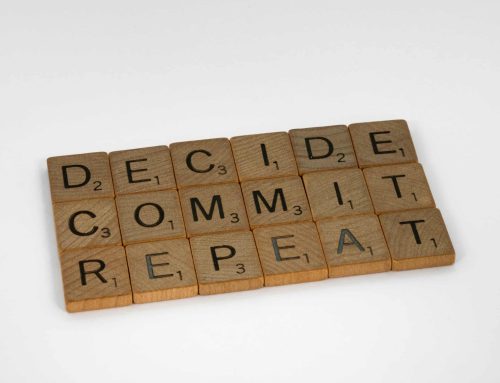
And then? When you’ve followed those next steps of active acceptance, what happens then? Your final step is a very critical one: keep in mind that by doing this practice, you are in the process of rewiring your brain. This takes time, patience, dedication and compassion. In the meantime, the process of life continues, based on your personal experience and needs. You might need to do the practice many times before your next steps become clear. You might feel ready to step into further action, or you might be annoyed by the whole experience. The important thing is to keep going with your efforts, and I’m here to help you with that however I can. Let’s talk more about it! The best way to do this is to schedule a complimentary, 20 minute consultation to see if coaching with me is right for you. You can also find me at coachbekooy.com.
My hopes for you are to help build a sense of inner security, understanding and confidence so that, whatever happens in the world, you can stand firm in your values, strength, and self-knowledge. It’s in you; let’s get to know it!